The Importance of Choosing the Right Winter Coat
Choosing the right winter coat is an essential consideration for any man looking to maintain both style and functionality during the colder months. The right winter coat not only keeps you warm and protected from the elements but also complements your personal style and outfits. Factors such as climate, occasion, and layering options play a significant role in this decision-making process.
Firstly, understanding the climate in which you live is crucial. For those residing in regions with heavy snowfall or frigid temperatures, a coat designed for maximum insulation and protection from wind chill is imperative. On the other hand, if you live in a milder winter climate, a lighter coat may suffice, allowing for versatility in style without sacrificing comfort. This awareness will guide you toward choosing an appropriate length and material, ensuring that your winter coat aligns with your needs.
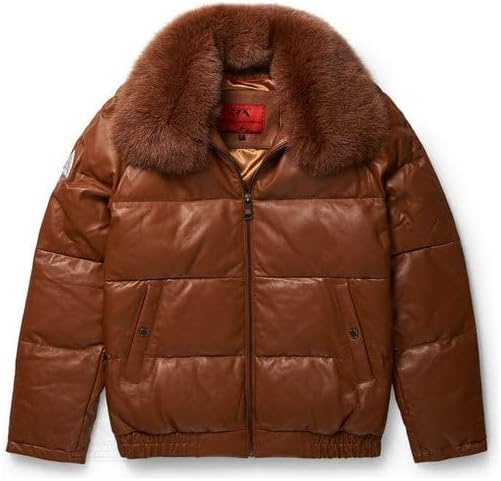
Another important aspect is personal style. Your winter coat should reflect your individuality, acting as a key statement piece in your wardrobe. Whether you lean towards classic styles or more modern aesthetics, the right coat should harmonize with your existing clothing and provide opportunities for layering. Layering option considerations ensure both warmth and the ability to adapt your look throughout the day, adding practicality to elegance.
In conclusion, the right winter coat is indispensable to your winter wardrobe. By factoring in climate, occasion, and personal style, you can select a coat that serves as both a protective layer against harsh weather and a sophisticated enhancement to your overall appearance.
Different Styles of Men’s Elegant Winter Coats
When it comes to winter fashion, men’s elegant winter coats offer both style and functionality. Among the distinguished types are overcoats, pea coats, trench coats, and parkas, each serving a unique purpose while embodying sophistication and warmth.
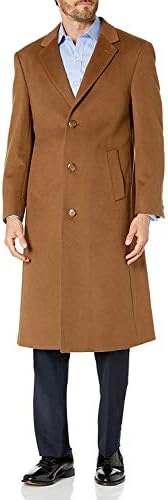
The overcoat is a classic choice, crafted from heavy fabrics like wool or cashmere, and designed to be worn over a suit or smart outfit. Its length typically extends to the knee, providing excellent coverage against cold winds. Suitable for formal occasions, business meetings, or sophisticated outings, the overcoat can significantly elevate a man’s wardrobe. Opt for neutral colors or subtle patterns to ensure versatility across various attire.

In contrast, the pea coat is a shorter and more casual option, originally designed for naval personnel. Characterized by its double-breasted front and wide lapels, this coat is often made from wool, creating an excellent barrier against cold weather. The pea coat is ideal for casual outings and can be easily paired with denim or chinos for a relaxed yet stylish look. It is a timeless piece that adds a maritime touch to any winter ensemble.
The trench coat is another staple in men’s winter wear, known for its distinctive design features like a belted waist and epaulettes. Traditionally made from waterproof materials, trench coats blend practicality with elegance, making them suitable for both casual and formal occasions. They can be layered over suits or worn with smart-casual outfits, further enhancing a man’s sophisticated appearance during inclement weather.

Lastly, parkas are designed for extreme climates, often featuring a fur-lined hood and insulated lining to retain body heat. While originally intended for functionality, modern parkas come in various cuts and colors, making them both practical and stylish. Ideal for casual wear, a parka can be paired with warm sweaters and boots, ensuring comfort without sacrificing style.
In conclusion, each type of men’s elegant winter coat serves its distinct purpose while enabling men to remain stylish during colder months. By understanding the characteristics of overcoats, pea coats, trench coats, and parkas, individuals can make informed choices that enhance their winter wardrobe and ensure comfort.
Materials and Fabrics Used in Winter Coats
When selecting an elegant winter coat, an essential consideration is the materials and fabrics utilized in its construction. Different fabrics offer varying levels of warmth, durability, and style, making them suitable for diverse occasions. Among the most traditional materials is wool, known for its excellent insulation properties. Wool coats retain heat effectively while allowing moisture to escape, which helps regulate body temperature. Additionally, wool is naturally resilient and resistant to wrinkles, making it a favored choice for sophisticated winter wear.
Cashmere is another luxurious option often associated with high-end winter coats. This soft and lightweight fabric provides remarkable warmth without the bulk typically found in thicker materials. Cashmere is derived from the fine undercoat of cashmere goats, making it both an extravagant and functional choice. However, it requires special care, such as gentle hand washing or dry cleaning, to preserve its texture and appearance over time.
Lastly, synthetic materials, such as polyester and nylon, are increasingly used in winter coats due to their lightweight nature and water-resistant properties. These fabrics often mimic the advantages of natural fibers while being easier to maintain and more affordable. They are ideal for those who seek functionality and practicality in their winter outerwear. When selecting a winter coat, understanding the properties and benefits of these fabrics will help in making an informed choice that balances style and performance.
Accessorizing Your Winter Coat for Maximum Style
Accessorizing your winter coat is essential for achieving a polished and sophisticated look during the colder months. The right accessories not only elevate your overall style but also provide additional warmth and comfort. When choosing accessories, it is important to consider your coat’s fabric, color, and style to create a cohesive winter outfit.

Hats are one of the first accessories to consider. A well-chosen hat can accentuate your features while complementing your coat. For luxury winter coats, opt for materials such as wool or cashmere beanies, which provide warmth without sacrificing style. Fedoras or newsboy caps can add a touch of elegance to longer coats, ensuring your outfit remains chic while fulfilling your practical needs in chilly weather.
Scarves serve a dual purpose: they keep you warm and add a fashionable layer to your look. Choose a scarf that contrasts or complements your coat’s color scheme. Chunky knit scarves provide texture and visual interest, while sleek, cashmere scarves evoke sophistication. Remember to experiment with different tying techniques, such as a simple knot or a loose wrap, to alter your look based on the occasion.
Gloves are another accessory that plays an integral role in winter fashion. Leather gloves can convey a classic appeal, particularly when paired with elegant overcoats. On the other hand, knitted gloves in vibrant colors or interesting patterns can enhance a more casual, puffer-style coat. Ensure that the gloves you select not only match your coat but also align with your personal style.
Finally, footwear is crucial in completing your winter ensemble. Choose boots that are suitable for the weather and coordinated with your coat’s length. Knee-high boots pair well with longer coats, creating a streamlined look, while ankle boots can add a modern twist to cropped jackets. Aim for a color palette that complements your entire outfit while ensuring you remain comfortable and stylish throughout the season.
By incorporating these accessory tips, you can enhance your winter look while ensuring warmth and functionality. A perfectly accessorized winter coat serves not only to keep the chill at bay but also reflects your unique style as you navigate through the colder months.


