Why Reading Financial Investing Books is Essential for Men
Financial literacy is a critical skill in today’s complex economic environment. For men, particularly those aspiring to build wealth through investments, reading financial investing books is paramount. These resources provide invaluable insights that empower individuals to make informed decisions. A strong foundation in financial concepts equips men with the ability to evaluate risk effectively, ensuring that their investment choices align with their long-term financial goals.

One of the key benefits of exploring literature on financial investing is the improvement in financial planning strategies. By understanding various investment vehicles, including stocks, bonds, and real estate, men can tailor their investment portfolios to suit their needs and aspirations. A well-rounded knowledge not only enhances the decision-making process but also promotes healthy habits related to saving and investing. The strategies discussed in these books can lead to more disciplined financial behaviors, which are crucial for successful investing.
Furthermore, navigating complex markets can be particularly challenging for inexperienced investors. Financial investing books often provide clear frameworks and methodologies that simplify intricate concepts, making the learning process more accessible. With the right tools and knowledge at their disposal, men can face unique challenges head-on, whether it be market volatility, investment scams, or the emotional pitfalls of investing. Each book serves as a guide, offering strategies to overcome obstacles and build resilience in the face of financial uncertainty.
In summary, the importance of reading financial investing books cannot be overstated for men looking to gain an edge in the investment landscape. The knowledge gained from these texts equips men not only to assess and manage risks intelligently but also to plan their financial futures with confidence. By engaging with written works dedicated to investment principles, men can cultivate skills essential for navigating modern financial markets successfully.
Top 5 Financial Investing Books Every Man Should Read
When it comes to financial investing, knowledge is crucial for success. The following five books have been selected for their insights and strategies, making them essential reads for any man looking to enhance his investment prowess.
1. “The Intelligent Investor” by Benjamin Graham
Regarded as the bible of value investing, this classic provides timeless wisdom on how to approach investing with discipline and patience. Benjamin Graham emphasizes the importance of analyzing the underlying value of securities rather than chasing trends. This book is particularly beneficial for men, as it instills a conservative mindset towards investing, urging readers to focus on long-term benefits instead of short-term gains.

2. “Rich Dad Poor Dad” by Robert Kiyosaki
This modern bestseller offers a unique perspective on wealth creation, contrasting the financial philosophies of Kiyosaki’s two father figures. The book discards traditional views of work and saving, advocating for financial education and investment in assets that generate cash flow. Men seeking to break free from conventional financial constraints will find Kiyosaki’s teachings deeply motivating and transformative.

3. “A Random Walk Down Wall Street” by Burton Malkiel
Malkiel’s influential text argues that stock prices are, in essence, unpredictable. He advocates for a diversified portfolio composed of index funds, allowing investors to minimize risk while maximizing returns. This approach offers a straightforward methodology, appealing to men who prefer a simplified yet effective investment strategy.

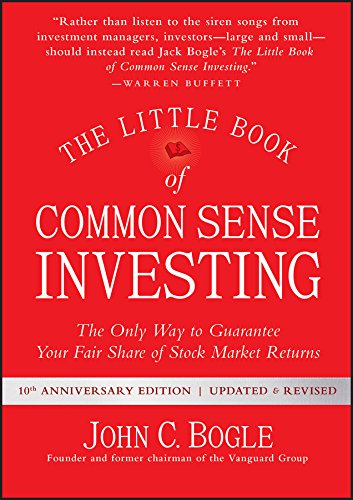
4. “The Little Book of Common Sense Investing” by John C. Bogle
Authored by the founder of Vanguard Group, Bogle’s book champions low-cost index fund investing as a sustainable way to accumulate wealth. He meticulously explains how high fees and poor performance often plague actively managed funds, making it an essential read for men seeking to invest wisely without excessive costs.
5. “Your Money or Your Life” by Vicki Robin and Joe Dominguez
This book delves into the relationship between money and life fulfillment. It encourages readers to transform their approach to spending and saving, promoting a holistic view of financial independence. Men interested in aligning their financial goals with personal values will find this framework particularly enlightening.
These top financial investing books equip men with vital knowledge and insights that empower them to make informed decisions in their investment journey.

Key Takeaways and Lessons from Financial Investing Literature
Financial investing literature provides a wealth of knowledge that can greatly enhance an individual’s investment strategy and decision-making process. One of the primary lessons that emerges from these texts is the importance of understanding market fundamentals. Investors are encouraged to grasp the underlying principles of supply and demand, risk assessment, and economic indicators, as these can significantly influence investment returns.
Another critical element highlighted across various financial investing books is the concept of asset diversification. A well-structured investment portfolio that spans different asset classes can help mitigate risks and create opportunities for gains. Several authors advocate for the strategic allocation of resources to various investment vehicles, emphasizing that diversification acts as a protective measure against market volatility.
Moreover, the literature frequently stresses the importance of long-term thinking in investment strategies. Successful investors, as noted in multiple books, tend to adopt a patient approach, focusing on growth over time rather than short-term fluctuations. This mindset allows investors to ride out market ups and downs without making impulsive decisions, thereby increasing the likelihood of achieving financial goals.
In addition, many renowned investment texts underscore the value of continuous learning and self-education. The financial landscape is constantly evolving, and keeping abreast of trends, new methodologies, and changing regulations is paramount. Investors are encouraged to read, attend seminars, and engage with financial communities to cultivate a deeper understanding of their investments.
Ultimately, synthesizing these insights offers readers not only the foundational knowledge necessary to navigate the complex world of financial investing but also the practical tactics that can be employed in real-life scenarios. By applying these principles, individuals can enhance their confidence and proficiency as investors, setting the stage for long-term financial success.
How to Create Your Personalized Financial Reading List
Creating a personalized financial reading list can significantly enhance your understanding of investment principles and strategies. The first step in this process involves identifying your current financial goals. For instance, if you aim to build wealth through stock market investments, consider focusing on books that emphasize stock analysis, trading strategies, and market psychology. Alternatively, if your goal is to establish a secure retirement fund, books that cover long-term investment strategies and retirement planning will be more beneficial.
Next, assess your existing level of investment knowledge. If you are a novice, select introductory texts that explain fundamental concepts, such as asset allocation, risk management, and market trends. As your comprehension deepens, you can progress to more complex works that delve into specific investment vehicles, such as real estate or mutual funds. Additionally, incorporating a range of genres can diversify your understanding of financial principles. For example, biographies by renowned investors, like Warren Buffett or Peter Lynch, can provide inspiring insights into their investment philosophies and decision-making processes.
Consider your preferred learning style as you curate your list. If you’re an auditory learner, audiobooks may be more effective. For visual learners, consider books laden with charts and infographics, which can simplify complex information. Online platforms, podcasts, and webinars can also supplement your reading and offer diverse perspectives on investment topics.
Furthermore, remember to keep your list dynamic. As your financial goals evolve, so should your reading selection. Regularly reassess and update your list to ensure it aligns with your current interests and ambition in the realm of financial investing. By actively engaging with different types of literature, you will foster a lifelong habit of learning that supports your financial journey.