The History of Monograms
Monograms have a rich and storied history that dates back to ancient civilizations. Initially, these personalized symbols were utilized by royals and nobility, signifying their status and power. In regions such as ancient Greece and Rome, monograms served as a means for the elite to display their identities through intricate designs. These emblems often combined the initials of a person’s name into a single, stylized graphic, making them not only a mark of individuality but also a statement of authority and prestige.
As time progressed, the use of monograms transcended beyond mere identification; they became an integral aspect of art and craftsmanship. During the Middle Ages, monograms flourished within the realms of religious art and textile design. Monastic artisans skillfully embroidered monograms on vestments and altar cloths, infusing these pieces with spiritual significance. This era underscored the craftsmanship involved in monogram creation, which merged artistry with personal expression.
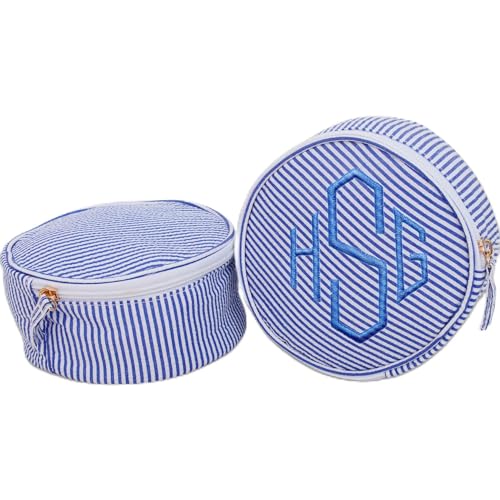
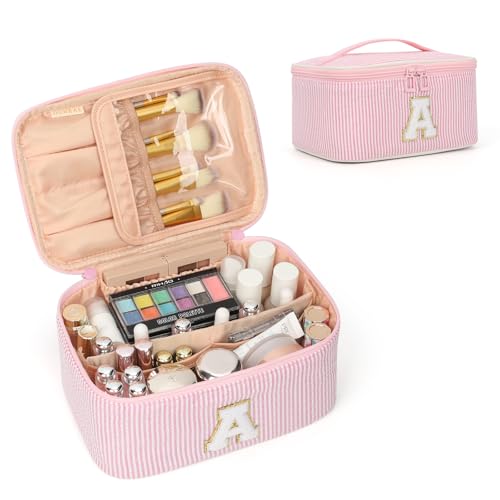

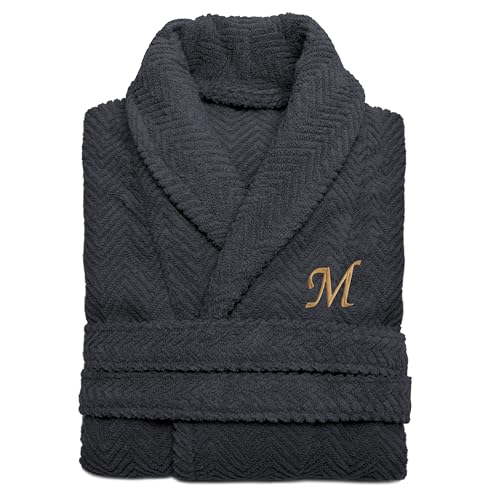
With the onset of the Renaissance, monograms continued to evolve, reflecting broader cultural shifts. Artists such as Albrecht Dürer and Rembrandt utilized monograms to authenticate their works, creating a legacy that connected personal branding and artistry. The significance of monograms transformed over the centuries, shifting from an exclusive privilege of the elite to a widely embraced trend among the general populace. The introduction of printing technology allowed for monograms to be shared in various forms, further popularizing their use in everyday items.
In contemporary society, monograms have become essential in personalizing a range of products—from stationery to home décor. This evolution illustrates the enduring allure of monograms, which continue to blend history, artistry, and individual identity. The craftsmanship and creativity inherent in monogram design remain key components that elevate these symbols beyond mere initials, establishing them as timeless emblems of personal distinction.

- Personalize your custom case with your unique initials. Elevate your style and make a statement wherever you go.
- Gift Idea: Each case is handcrafted with your chosen initials or name, making it an exceptional and meaningful gift for …
- Made from high-quality leather, offering anti-slip, anti-scratch, and shockproof features. It not only safeguards your d…
Choosing the Right Monogram Style
When it comes to selecting a monogram style, an understanding of the available options is crucial to achieving a personalized representation of one’s identity. Monograms, which typically consist of initials arranged in a specific format, come in a variety of styles ranging from traditional to modern. Popular traditional styles include block and script monograms. Block monograms are characterized by bold, uppercase letters, providing a clean and straightforward aesthetic. On the other hand, script monograms often feature elegant, flowing letters that exude sophistication and grace. The choice between these styles largely depends on personal taste and the impression one aims to convey.
In contrast to traditional styles, contemporary and whimsical designs, which often incorporate creative shapes and patterns, are becoming increasingly popular. These modern options allow for more artistic expression and can cater to individual personalities in a way that classic designs might not. When choosing a style, it is essential to consider the context in which the monogram will be used. For instance, a formal wedding invitation might call for a more traditional style, while a casual family gathering could permit a playful or contemporary approach.


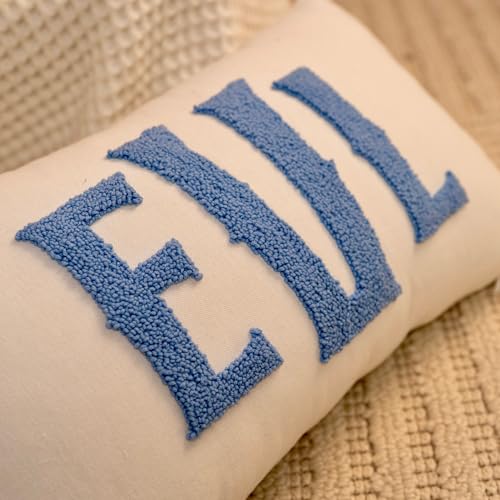
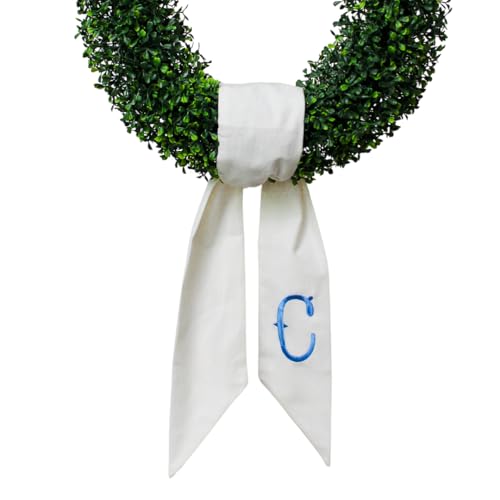
Another important factor in selecting a monogram is the arrangement of initials. Common conventions dictate that the initials be presented in the first, last, and middle name order (e.g., ABC for a person named Alice Barbara Creswell). However, alternative arrangements can provide a unique twist and should be considered when curating the overall aesthetic. Additionally, it is vital to ensure that the chosen monogram harmonizes with existing design elements, especially when applied to textiles, stationery, or home décor. Considering the occasion, medium, and surrounding elements will help create a cohesive and aesthetically pleasing monogram that accurately reflects personal style.
Applications of Monograms in Everyday Life
Monograms are a timeless way to infuse elegance and flair into various aspects of everyday life. These personalized symbols, often consisting of initials or a name, showcase individuality and have become increasingly popular across different domains. One of the most notable applications of monograms is in clothing, where they can enhance everything from casual wear to formal attire. Embroidered initials on shirts, jackets, or even handbags not only personalize these items but also create an air of sophistication. For instance, a simple cotton shirt with a monogram on the pocket instantly transforms an ordinary piece into something unique.
In the realm of accessories, monograms continue to make a significant impact. Items such as wallets, phone cases, and jewelry can be personalized, making them not just functional but also meaningful. A monogrammed leather wallet provides a stylish touch while serving as a constant reminder of the owner’s identity. Furthermore, in home décor, monograms can be used creatively on pillows, blankets, and wall art, adding a personal touch that reflects the homeowner’s taste. Such decor elements can serve as conversation starters and make any living space feel more inviting and personalized.
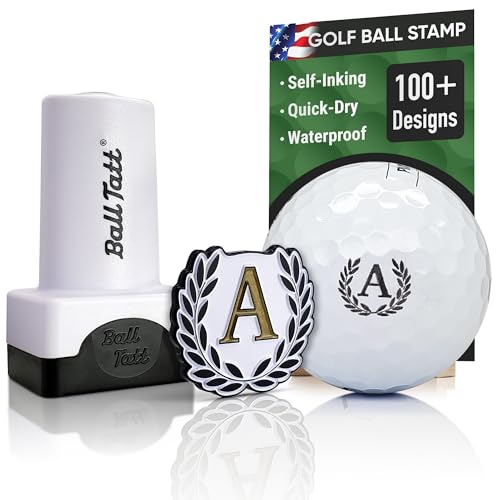
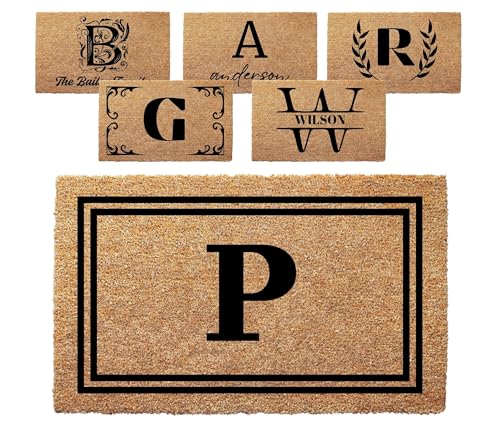
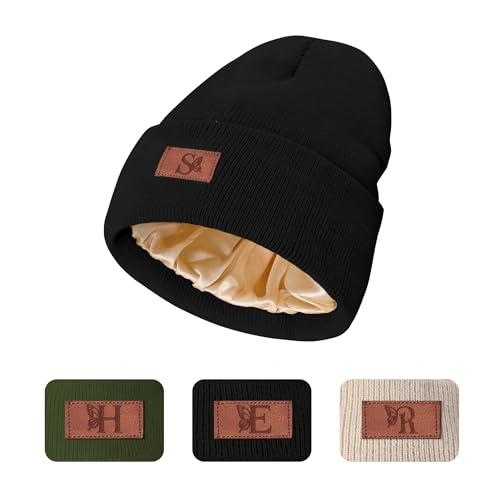

The gift-giving sphere has also embraced the trend of monogramming, particularly for special occasions like weddings, anniversaries, and graduations. Personalized monogram gifts—such as engraved glassware or custom tote bags—show thoughtful consideration and care, making the recipient feel cherished. Practical suggestions for incorporating monograms into life can include creating personalized stationery or using monogrammed kitchen items to elevate daily tasks. Overall, the art of personalization through monograms allows people to express their individuality, making everyday items special, and enhancing the meaning behind each piece.
Caring for Monogrammed Items
Caring for monogrammed items is essential to preserve their beauty and longevity. These personalized treasures can be found in various materials, each requiring specific care instructions to maintain their elegance. Understanding the thoughtful maintenance of monogrammed fabrics, wood, leather, and metals is crucial for ensuring that your personalized items continue to shine for years to come.
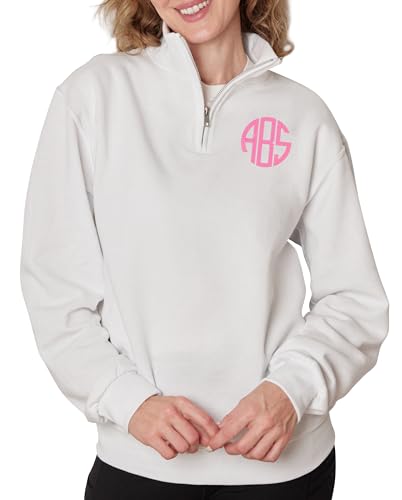
For monogrammed fabrics, such as towels or linens, it is vital to follow the washing instructions. Typically, washing in cold water with a gentle detergent is advisable to prevent fading. Avoid bleach, as it can compromise the colors of personalized embroidery. Furthermore, when drying, opt for a low heat setting to avoid any shrinkage or damage. Ironing should be approached with care; use a low heat setting and iron from the back of the fabric to protect the monogram.
Wooden items, such as monogrammed cutting boards or decorative boxes, can be maintained with regular cleaning using a damp cloth. It is crucial to avoid excessive water exposure, as it can cause warping or discoloration. Occasionally, treating the wood with a food-safe mineral oil helps to nourish and protect the surface.
Leather monogrammed products, including bags or wallets, require careful attention to prevent fading and cracking. Regularly dusting the surface and using a soft, damp cloth to clean any stains are key aspects of leather care. Additionally, applying a quality leather conditioner periodically helps maintain its suppleness and appearance.

- LUXURIOUS LINEN-FEEL: Elevate your dining experience with these linen-feel napkins, offering a soft touch perfect for up…
- ELEGANT GOLD DESIGN: Featuring a gold letter “G”, these napkins add a sophisticated and personalized touch to your table…
- HIGH ABSORBENCY: Enjoy worry-free dining with absorbent napkins that efficiently handle spills and maintain their integr…
For metals, such as monogrammed jewelry or decorative items, it is important to avoid harsh chemicals. A simple solution of mild soap and water is effective for cleaning. Drying immediately after cleaning ensures that moisture does not cause tarnishing. Following these care guidelines will help keep your monogrammed items in pristine condition, ensuring their beauty and significance endure over time. In conclusion, proper care is indispensable in enjoying the personal touch that monogrammed items bring to your life.